
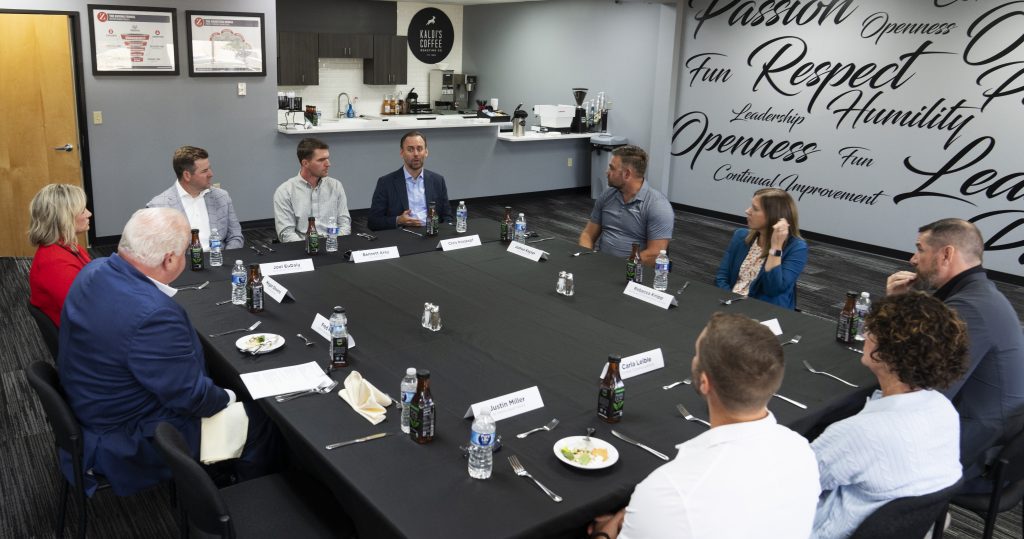
Crime, affordable housing and the economic future of our town is an ongoing concern. Inside Columbia Publisher Emeritus Fred Parry hosted a CEO Roundtable luncheon to discuss these matters with eight young local leaders in different industries in Columbia, catered by The Broadway Hotel Chef Jeff Guinn. The group brought up several concerns surrounding the city, including deliberating on public safety downtown, the competition to find homes under $350,000 and how to create a better Columbia for future generations. The group had an optimistic outlook, discussing ways Columbia can come together to create a safe, affordable, bustling city.
Crime Concerns
Everyone wants to feel secure in their own home; it’s a natural feeling that extends far beyond the actual walls of your house and into the places you visit daily. So, discussing and understanding crime in Columbia is crucial, no matter what industry you are in.
Chris Rosskopf, the community bank president at The Bank of Missouri, says the abundance of crime coverage is worrisome. “Maybe there’s some recency bias and maybe not, but regardless, it’s been in the news, and it gets covered a lot,” he says. “It’s also worth noting that additional coverage is coming from multiple online sources that didn’t previously exist, so the message is being amplified to some degree.”
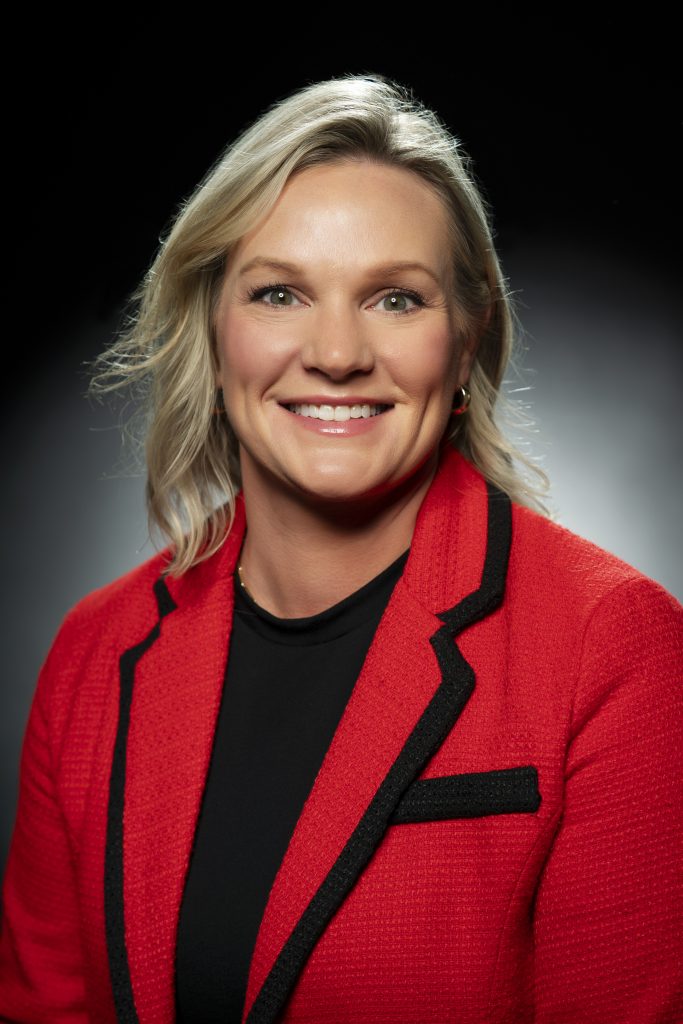

However, for Bennett Arey with Arey Real Estate, crime hasn’t caused much of an issue for his clients. “I’ve only had one buyer who decided not to move here … because of the crime,” he says.
Megan Stevens, the CFO of Coil Construction, agrees, saying safety isn’t her biggest concern with her business being downtown. “I wouldn’t say I felt like immediate harm or anything along those lines … we might get to the office and somebody is camped outside, and we’ve asked them to respectfully leave,” she says. Stevens brought up an idea she’s recently heard, to bring 360-degree cameras to the downtown area to increase surveillance.
“That might be something we could do without adding a ton of overhead to our staffing downtown,” she says. “It would at least have the appearance that we’re trying to be safer, because nobody wants to get in the line of video cameras.”
Joshua Kayser, the founder and CEO of SuretyBonds.com, says the issue of crime goes beyond the barriers of Columbia. “I think crime overall in the world is an issue,” he says. “But we definitely have big pockets of crime.”
Now it’s time to figure out how to implement changes in the city. “There is a lot of finger-pointing and talking about solutions, but few are actually stepping up to make change happen,” Rebecca Knipp, owner of Optimized CFO and Controller Services, says. The question is, what can be done?
Housing Market
Part of the “American Dream” is the day you get the keys to your first home. Our parents — and their parents — have had this luxury, but it’s becoming harder to imagine this in the current housing market. According to Redfin, the median sale price of a home is $350,000, compared to $240,000 in 2021. Not only are the prices increasing, but the market is extremely competitive for the more affordable houses. Arey says in the current climate, buyers are struggling in Columbia. “It’s never cheap enough, it’s never available enough,” he says. “So, it doesn’t seem like we’ve really created a solution for such a long-term issue.”
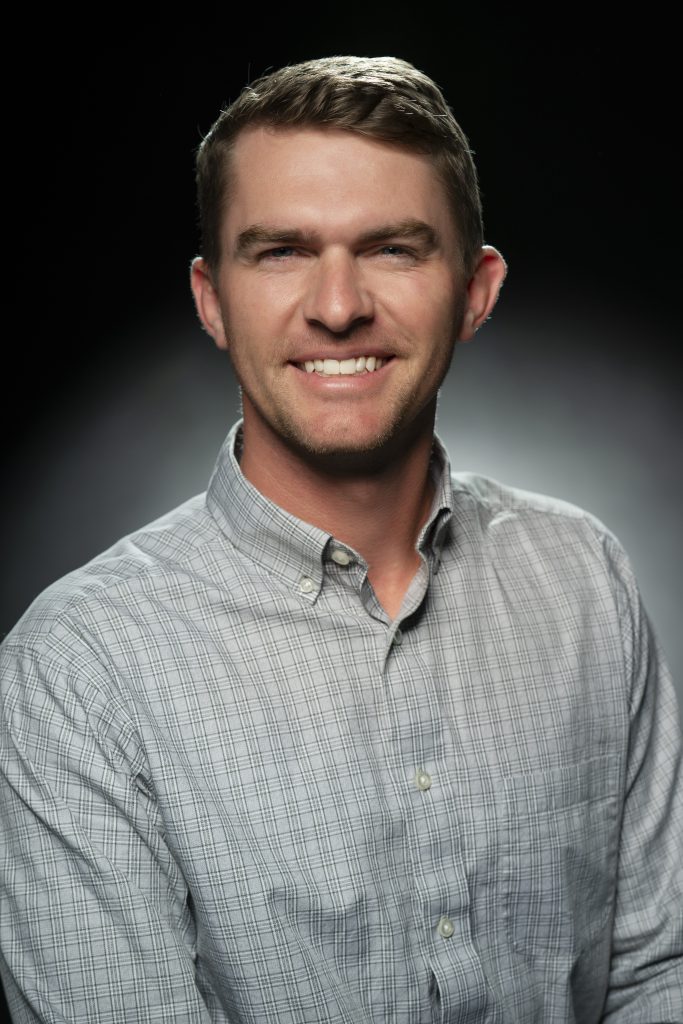

And the market is only getting more competitive as the population increases. Based on reports from the World Population Review, Columbia’s population has increased by 5,000 people in five years. “Obviously, we are always looking for long-term healthy population growth,” Rosskopf says. “The short answer is that we have struggled to keep the housing supply, especially workforce housing, on pace with the population growth.”
Rosskopf also points out the lack of land available to build more homes for the growing population. “What’s happened is that we’ve had a lot of development over time and we’re starting to run out of land without going farther and farther away from the areas that have services residents seek,” he says. “What does that do? That drives the land costs up. And that’s really one of the overarching functions of why it’s gotten out of bounds.”

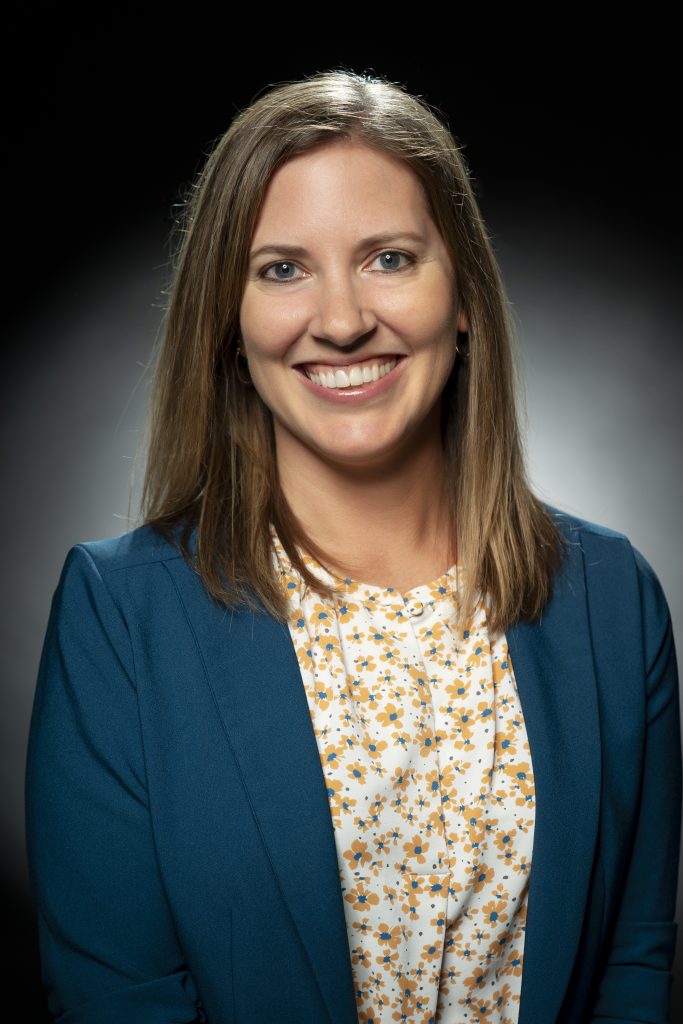
This issue goes beyond buying homes and has entered the world of renting. Justin Miller, the managing partner of At Home Apartments, says the cost of construction has caused rent prices to increase. “It’s only getting more and more expensive to build, so it’s hard to provide affordable rents,” he says. As for what will solve this problem, Knipp says it could come down to codes and regulations.
“The more you tighten building codes, the more costs rise,” she says. “Those higher costs inevitably translate into higher home prices, mortgages, and rents.”
While there is constant discussion about affordable housing in Columbia, the population prices continue to rise. What will that mean for future buyers?
Columbia’s Future
It may seem as though there is a lot to tackle to create the kind of Columbia the community wants to see in the future. The problem is, how do we create a plan that is unified, actionable and attainable? For some, it starts with the business community, including protecting enrollment at the University of Missouri — one of the biggest economic forces in the area. “It’s been a pretty steady progress there. (The University) enrollment growth and the success of the athletic department has put people in apartments, people in the seats and people in the bars and the restaurants, and that’s really what drives the town,” Rosskopf says. “If you lose a large portion of that, that’s a lot of economic development that runs out.”
Another part of the puzzle is finding a way to keep students in Columbia after graduation. Bryan Bliven, the vice president of operations and technology at Paytient, says several factors would entice people to stay or move to the area. “Low cost of living … easy to get around, good schools and a great community,” he says. “I think that’s when we talk about how collaboration is creating the identity of Columbia.” Miller thinks that a greater variety of amusement would attract more people. “Maybe more entertainment options and restaurants for the size of town we are,” he says. “Just more quality-of-life stuff.”

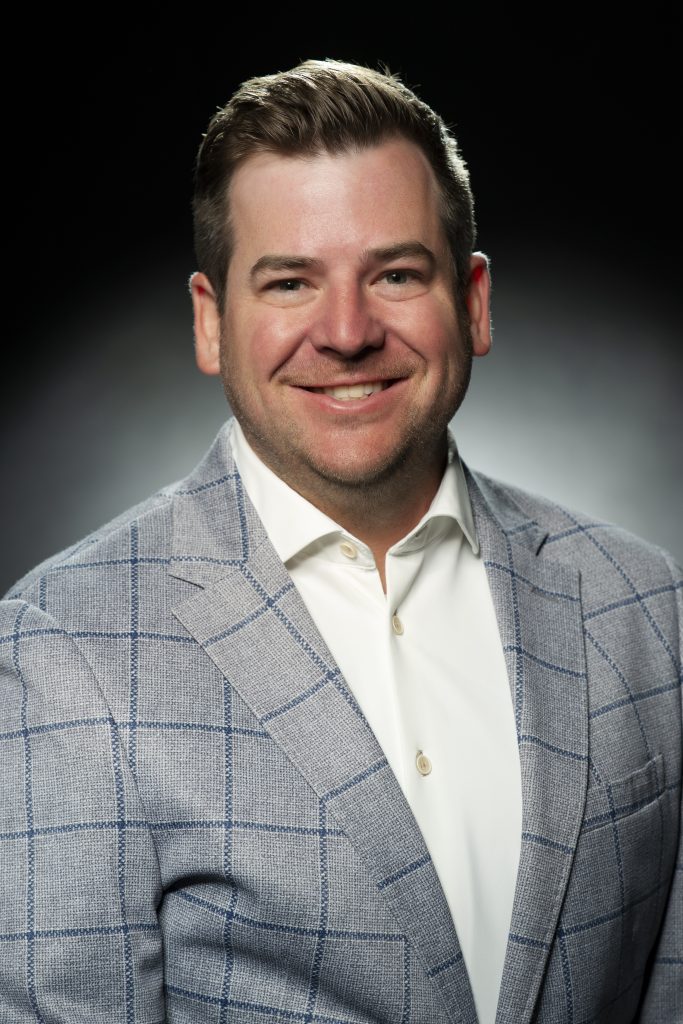
Joel Eudaly, the COO at Calibration Technologies, has a different approach, saying that a pedestrian mall being brought to Columbia in the future could help the community feel safer. “I want to believe that it would help with the crime,” he says. “But also, I think it gives a sense of safety and community in one area while promoting foot traffic for local businesses.”
Whether you think Columbia’s future depends on the reduction of crime, the increase in Mizzou enrollment or the upkeep of the business community, it seems everyone has the same goal: to make Columbia a beautiful, thriving city where people want to live, work and have fun.
Rapid Fire Final Thoughts
On living and staying in Columbia…
“It’s just a great place to raise a family.” — Bennett Arey, Arey Real Estate
“It has a small-town feel with a lot of amenities that are big-city awesome.” — Chris Rosskopf, community bank president at The Bank of Missouri
“It’s the right-sized town for a lot of people.” — Joshua Kayser, founder and CEO of SuretyBonds.com
“I personally didn’t want to go to St. Louis or Kansas City … I didn’t want to have a 45-minute commute to get to work. I like being able to drive almost anywhere in town in 15 minutes, but still having the good restaurants and events that you don’t always have in smaller towns.” — Rebecca Knipp, owner of Optimized CFO and Controller Services
“I tell people all the time if I want to go catch a Royals game or a Cardinals game, it’s easy access there. And here, you’ve got the tigers and a lot of great eating establishments, great entertainment and a lot of nature spots.” — Bryan Bliven, vice president of operations and technology at Paytient
“There is nothing I would add to what everyone has said here.” — Justin Miller, the managing partner of At Home Apartments
“Columbia is definitely a community feel; it’s a place you want to raise your children, but it is also a place where you can have a business and you can succeed.” — Megan Stevens, CFO of Coil Construction
“My favorite parts of living and working in Columbia are the people that make it a great place to raise a family, and the college town atmosphere.” — Joel Eudaly, COO at Calibration Technologies